From touch and feel to full visibility: Cheshire West Recycling made calls on staffing, maintenance and material loss based on guesswork — a fair description of most MRFs before continuous monitoring existed. Since installing the Greyparrot Analyzer, that guesswork has given way to tonne-level visibility, surfacing findings like 100+ tonnes of aluminium lost to the wrong stream and reshaping decisions from the sorting cabin to the boardroom.
About Cheshire West Recycling
Cheshire West Recycling (CWR) is a company owned by Cheshire West and Chester Council, collecting recycling from around 170,000 households across the borough each week. Collected recycling is processed at CWR's Materials Recovery Facility (MRF) in Ellesmere Port, which handles approximately 35,000 tonnes of material each year. CWR also manages seven Household Waste Recycling Centres (HWRCs) across the borough.
Like the wider business, the MRF has always operated on a data-driven footing, using tight information on rounds and collections to find efficiencies. The natural next step was to bring that same discipline to the material side of the operation, and that is where Greyparrot came in.
Installation and the problem CWR was trying to solve
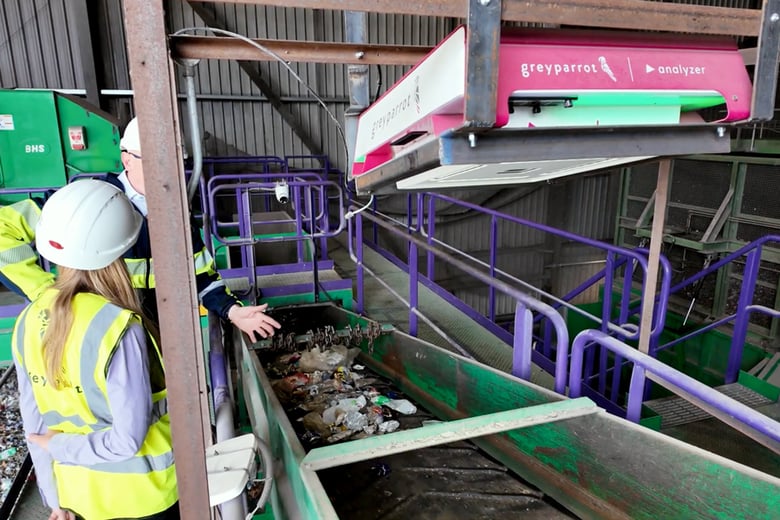
CWR had the Greyparrot Analyzer installed in around eight weeks. Before the Analyzer, the team could see broadly what was coming off the line, but decisions about material flow, staffing and maintenance were, as Jody Sherratt, CWR's managing director, put it, "touch and feel".
Two problems stood out:
- Limited visibility into line performance. There was no consistent way to compare shift productivity against targets, or against the actual volume of material coming through the door, making it hard to plan downtime, staffing or maintenance with any confidence.
- Unquantified aluminium loss. CWR suspected aluminium was ending up in the mixed plastics stream rather than being recovered, but without granular, ongoing data there was no way to size the problem or build an investment case to fix it.
Solution and key results
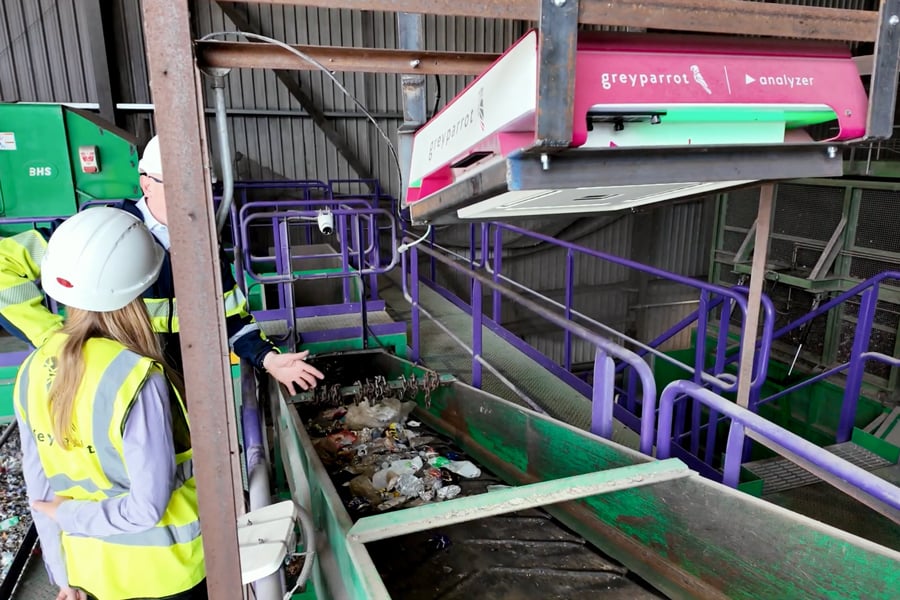
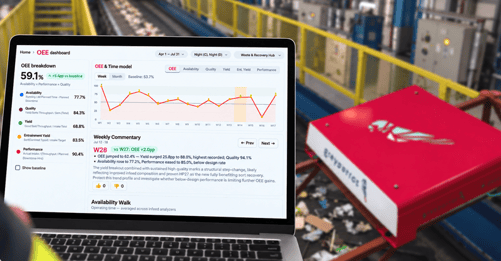
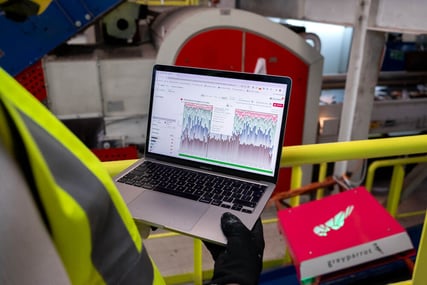
From the outset, the relationship with Greyparrot was collaborative, with CWR feeding back on the portal and helping shape how it developed. Analyzer data is now built into daily business decision-making and feeds directly into CWR's own Power BI dashboards, so it sits alongside the rest of the business's KPIs rather than living in a separate system.
Smarter planning and maintenance
- Moved planned maintenance to Fridays, based on Analyzer data showing how far through the week's material CWR typically is by that point
- Reshaped seasonal planning: rather than bringing in extra staff for the predictable January surge, CWR could see the rush would ease again by February
- Result: held its nerve, stockpiled material through the busy period, and caught up afterwards using the same headcount
"What we had to do was get people to understand that really you need to hold your nerve a little bit because actually it's going to get quieter in February. So we can basically stockpile material a little bit and catch up in February."
- Jody Sherratt, Managing Director at CWR
Reducing contamination in the sorting cabin
- Objective: optimise both plant and people to maximise the contamination removed at the manual sorting cabin
- Result: the amount of contamination removed at the cabin rose by 12% over the last year
- How they got there:
- Reduced throughput by around 13% while total tonnes processed held broadly steady, giving pickers a genuine opportunity to spot and remove contamination
- Optimised the collection process and improved blending, so material now arrives at the cabin as a steady, consistent stream rather than in surges
- Underpinned by continuous monitoring: without consistently understanding material flow and optimising against it, this reduction would not have happened
Tackling aluminium loss
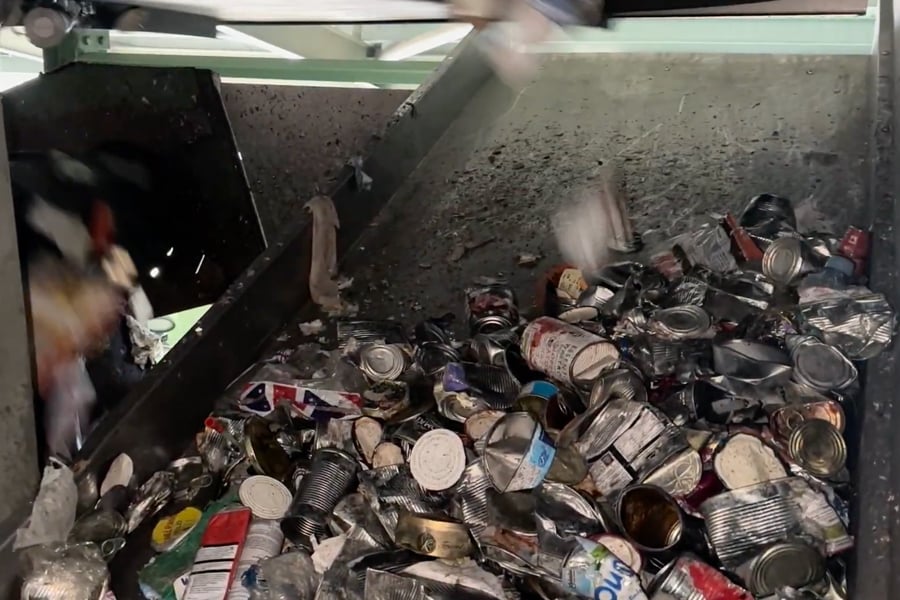
"One of the things we're looking at is around aluminium loss into the plastic stream, and then obviously we can monetize that and look at payback period for investment through the EPR funding."
- Jody Sherratt, Managing Director at CWR
- Same continuous monitoring stream behind the contamination result is now building the case for the next decision
- Analyzer data shows a trend of the eddy current separator increasingly underperforming — one monitoring stream, two decisions
- ~100+ tonnes of aluminium identified in the mixed plastics bale since install, leading to ~£100k + in lost revenue
- Result: a concrete payback case, with CWR now looking at replacing its eddy current separator and factoring in EPR funding
Preparing for DRS and EPR
- DRS is supposed to land in in England in October 2027, taking PET bottles and cans out of the kerbside stream
- CWR used Analyzer data to model roughly what that loss might look like, and took the analysis to the council and board to support planning
- EPR: full, accurate tonnage information broken down by category (plastics, steel, drink cans as a proportion of other materials), replacing reliance on small manual samples
- Result: helps the business forecast and plan ahead of regulation
"We're expecting DRS to have quite a big impact for us. We've got a huge loss of material income there potentially. We've done an analysis using the Greyparrot data, which has told us roughly what the figure is we think we might potentially lose, and we're talking huge sums. So we're able to raise that with the council and with our board."
- Jody Sherratt, Managing Director at CWR
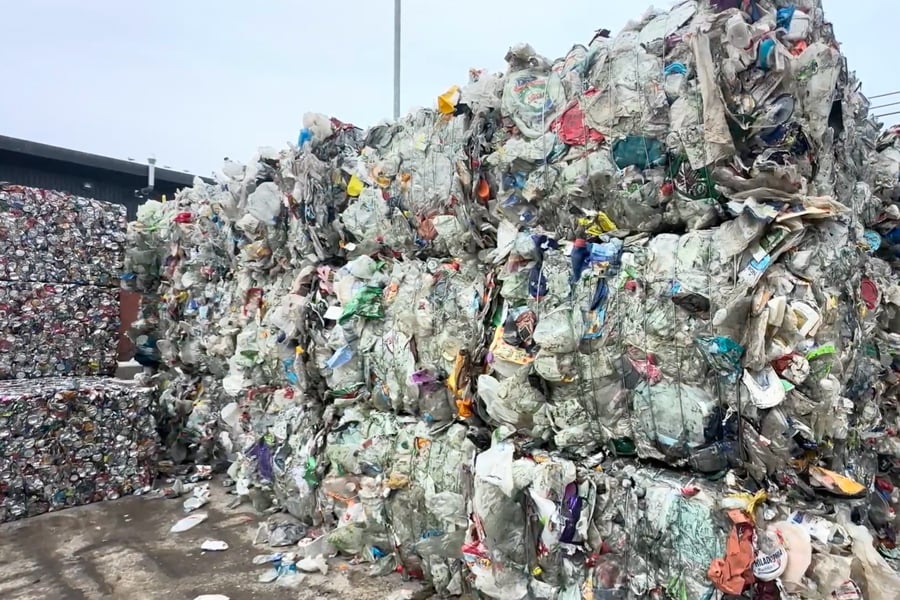
Jody sums up the takeaway: "when you boil it down, you can benefit from it whether you're a small MRF or a massive operation really." It's a fitting summary of what continuous monitoring has done here: turning previously invisible material flows into decisions the whole business, from the sorting cabin to the boardroom, can act on.
Try the Greyparrot Facility Simulator to see Analyzers in action.