
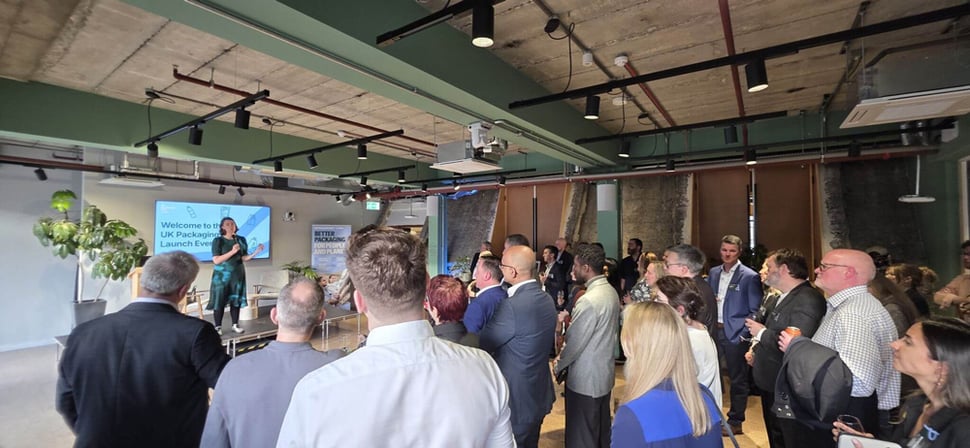
WRAP Chair Sebastian Munden opened by saying the "door is open" for industry to act, and challenged everyone in the room to charge through it. That sense of urgency set the tone for the day.
The recently completed UK Plastics Pact started a global network of Plastics Pacts, which drove a 9% increase in plastics recycling and eliminated over 360 kilotonnes of problematic and unnecessary plastic packaging. Now, WRAP is building on that progress with a broader, more ambitious agreement - one that targets circularity across the entire packaging system, not just a single material.
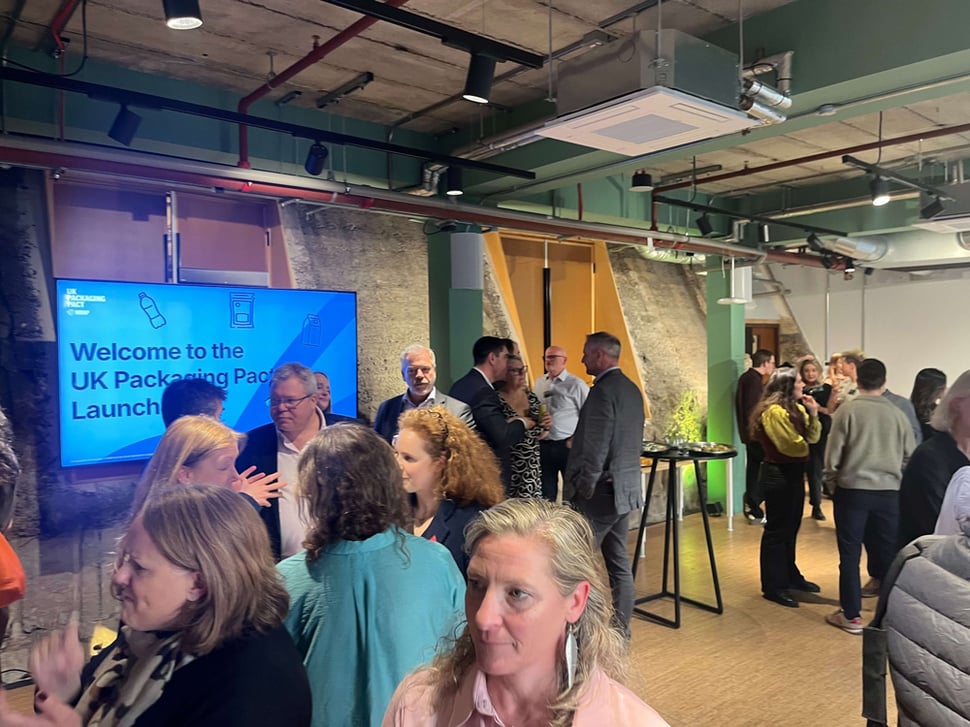
At the launch, I reconnected with old friends, met new collaborators, and felt inspired to stand alongside a value chain ready to move.
Seizing circular momentum
EPR is aligning producers with the realities of the UK's waste systems, and the case for secondary resources over virgin materials has never been stronger. The time to reshape the packaging value chain is now, before existing systems become more strained. As Sebastian put it: “we need to charge through the door.”
Alongside Greyparrot, 100 founding signatories have committed to the pact including leading retailers such as Marks and Spencer, global brand owners including Haleon and Unilever, key recyclers such as Biffa, and support from Defra, DAERA, and major industry bodies.
Overcoming complexity with collective action
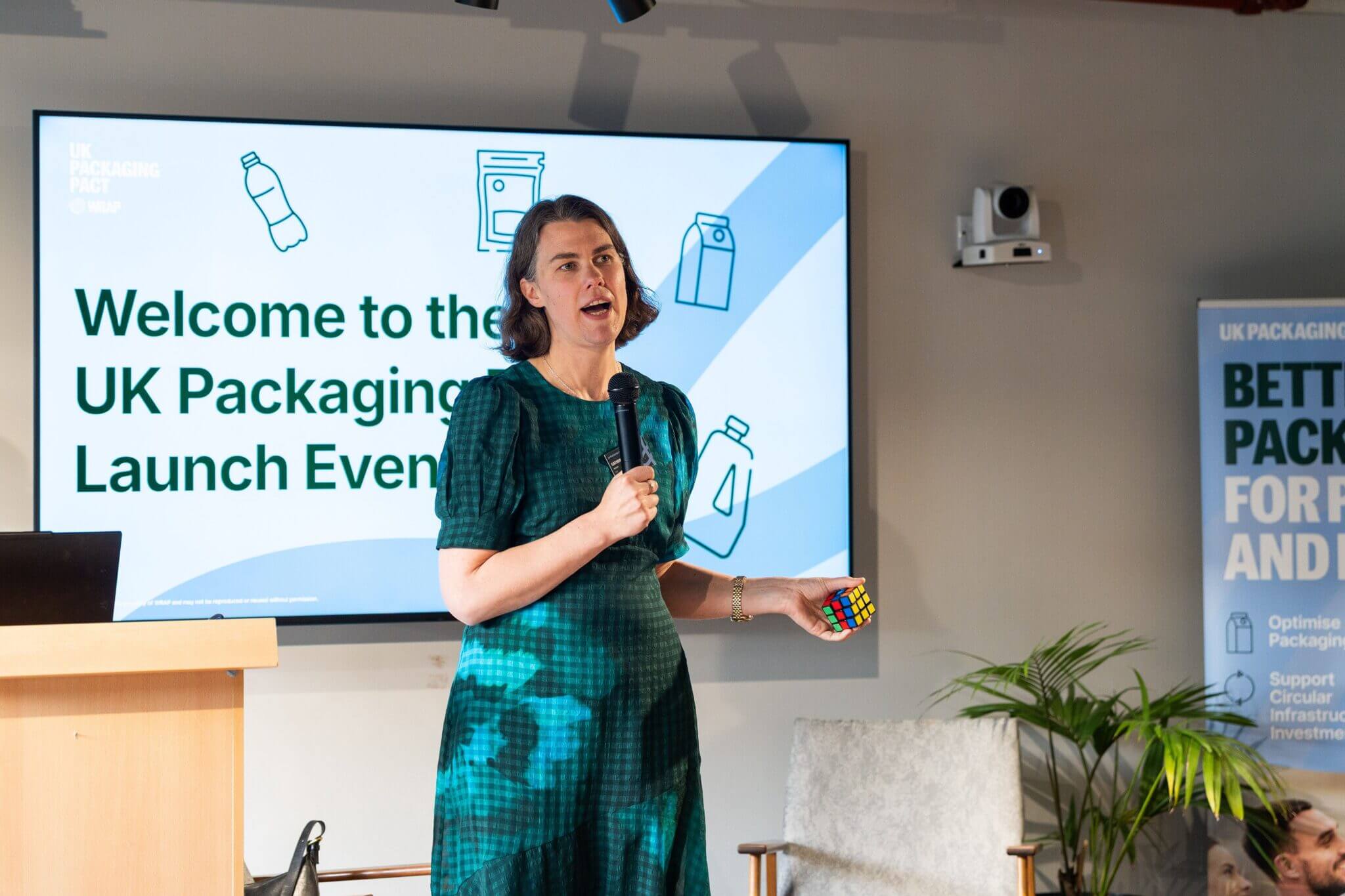
Catherine David, WRAP’s CEO, used a Rubik’s Cube to explain the challenge. Packaging isn’t one problem, but a set of interconnected issues that need to be solved together.
The pact’s four key goals target the most urgent barriers to circularity in the UK, encouraging action from policymakers, brands, recyclers, and technological innovators:
- Optimising packaging continues WRAP’s work to cut the use of virgin materials and boost recycled content use, encouraging products designed with recovery in mind.
- Scaling reuse and refill aims to expand packaging reuse schemes across the UK.
- Supporting circular infrastructure investment will direct capital towards gaps in the country’s packaging recycling infrastructure.
- Harmonising data addresses the visibility required to make the other three goals possible – whether simplifying reporting and policy enforcement or guiding packaging design that is recoverable in practice.
What sets this initiative apart is the same thing that made the Plastics Pact successful: it doesn’t just provide targets, it provides workstreams. As part of the pact, signatories will directly shape and participate in industry-led programmes, from reuse system design to material-specific roadmaps and policy recommendations.
Why Greyparrot signed the UK Packaging Pact
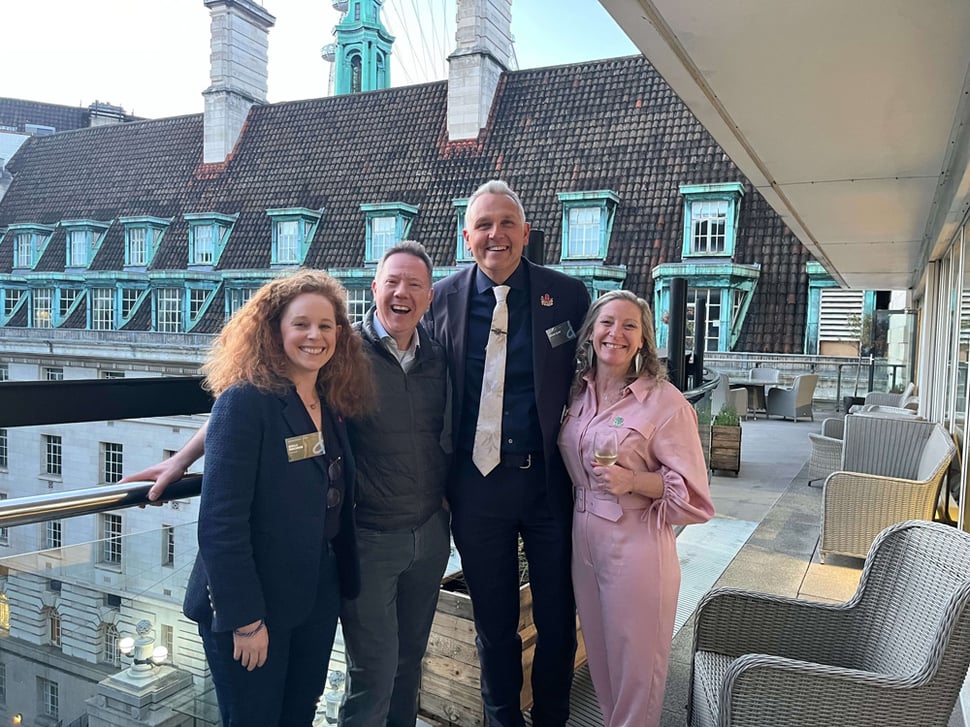
That active involvement is why Greyparrot signed the UK Packaging Pact.
As a founding signatory, we’re especially focused on harmonising data, a goal which underpins the pact’s entire mission. Delivering on the agreement’s promise will require a data layer that can guide packaging design, improve recovery rates, and inform policy.
For those not in the room, the key takeaway is this: the pact is positioning itself as the coordination layer for the UK’s circular packaging transition. It will reduce fragmentation, align policy with industry, and accelerate real implementation, not just commitments.
The door is open for genuine transformation. Together with our fellow signatories, we’re answering WRAP’s challenge to charge through it.
Learn more about the UK Packaging Pact on WRAP’s website.