What's inside
-
Where aerosols actually end up
-
What survives the journey
-
Cans vs. aerosols, head to head
-
The design choices that move the needle
What the data reveals about aerosol recovery at real-world scale
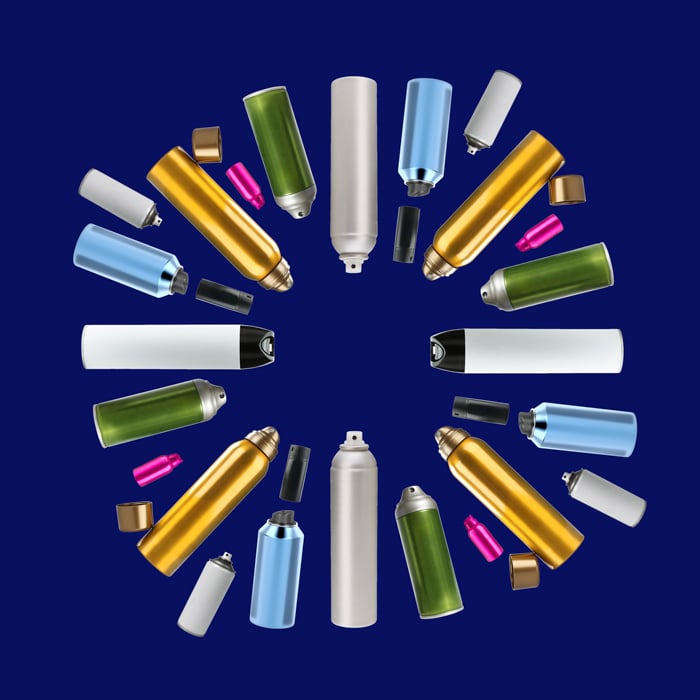
Across the cosmetics and personal care industry, aerosols are marketed as infinitely recyclable. But what really happens after they leave our homes and hit the recycling bin? To find out, Greyparrot's AI-powered waste analytics systems tracked 395,424 aerosol units through municipal recycling and plastics recycling facilities across the US, UK, and the Netherlands. The design choices that brands make (e.g., format and closure type) affect recovery rates in ways that packaging claims rarely reflect. Read the report to uncover the evidence behind these outcomes, and see exactly what it means for your compliance position.
Get early access to the full report
Register now and we'll send the full report to your inbox the moment it goes live in early autumn, before it's public anywhere else.
The Aluminium Aerosol Recovery Report